Our blog
How AI Is Transforming Industries
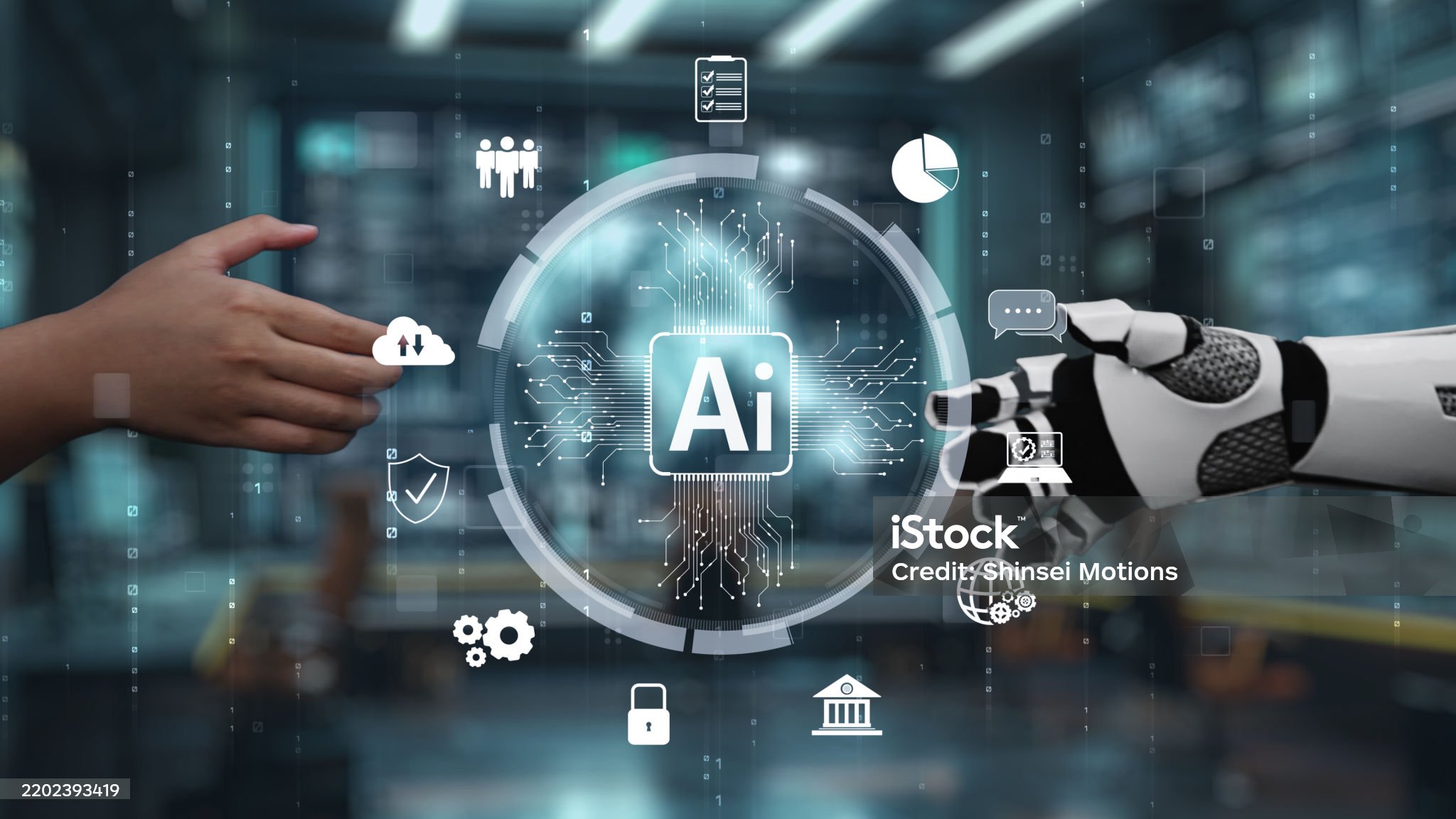
Artificial Intelligence (AI) is no longer just a buzzword or a futuristic concept — it's a real, tangible force that’s transforming industries across the globe. From healthcare and finance to manufacturing and entertainment, AI is reshaping the way we work, make decisions, and interact with technology. In this blog post, we will explore how AI is impacting different industries, the key use cases driving this transformation, and what the future may hold.
Why AI Matters More Than Ever
1. Healthcare: Revolutionizing Diagnosis and Patient Care
AI has made healthcare more intelligent and predictive. With machine learning algorithms and data analytics, medical professionals can detect diseases earlier, recommend personalized treatments, and improve patient outcomes.
- AI-driven Diagnostics: Tools like IBM Watson and Google DeepMind analyze X-rays, MRIs, and lab data to detect anomalies faster than human radiologists.
- Predictive Healthcare: AI models forecast potential health risks by analyzing patient data and lifestyle factors.
- Virtual Health Assistants: Chatbots and virtual assistants support patients with medication reminders, appointment scheduling, and basic medical advice.
Result: Faster, more accurate diagnoses and improved patient engagement.
2. Finance: Smarter Decisions and Safer Transactions
AI is redefining how financial institutions operate by enhancing decision-making, reducing fraud, and personalizing customer experiences.
- Fraud Detection: AI systems analyze transaction patterns in real time to detect unusual activities.
- Algorithmic Trading: AI predicts market movements and executes trades within milliseconds.
- Credit Scoring: Machine learning models assess loan eligibility more fairly and accurately than traditional systems.
Result: Improved security, better risk management, and customer-centric financial services.
3. Manufacturing: The Rise of Smart Factories
AI is the core of Industry 4.0, where automation, robotics, and real-time data redefine manufacturing efficiency.
- Predictive Maintenance: AI monitors equipment performance and predicts failures before they occur, reducing downtime.
- Quality Control: Computer vision systems inspect products for defects with near-perfect accuracy.
- Supply Chain Optimization: AI forecasts demand and streamlines logistics for just-in-time production.
Result: Increased productivity, reduced costs, and smarter, data-driven operations.
4. Retail: Creating Personalized Shopping Experiences
Retailers are using AI to understand customer preferences, optimize pricing, and enhance shopping experiences both online and offline.
- Recommendation Engines: Amazon and Netflix use AI to recommend products and content tailored to user behavior.
- Dynamic Pricing: Algorithms adjust prices in real time based on demand, competition, and user engagement.
- Inventory Management: AI predicts stock requirements, minimizing overstocking and shortages.
Result: More engaging customer experiences and higher conversion rates.
5. Education: Personalized and Data-Driven Learning
AI is reshaping education through adaptive learning platforms that cater to individual student needs.
- Personalized Learning Paths: Platforms like Coursera and Khan Academy use AI to recommend lessons based on progress.
- Automated Grading: AI tools evaluate assignments and quizzes, saving teachers time.
- Student Support Bots: Chatbots provide academic assistance and administrative help 24/7.
Result: Improved learning outcomes and accessible education for all.
🚗 Result:6. Transportation: The Road to Automation
The transportation industry is on the verge of an AI-driven revolution with autonomous vehicles and intelligent traffic management systems.
- Self-Driving Cars: Companies like Tesla and Waymo are pioneering vehicles that use AI for navigation and obstacle detection.
- Traffic Optimization: AI algorithms analyze traffic patterns to reduce congestion and improve safety.
- Logistics Efficiency: AI optimizes delivery routes and fleet management, cutting fuel costs and delivery times.
Result: Safer roads, efficient logistics, and sustainable mobility.
7. Agriculture: Smart Farming with AI
AI is helping farmers boost productivity through precision agriculture and data-driven insights.
- Crop Monitoring: AI-powered drones and sensors monitor soil health and crop growth.
- Pest Control: Machine learning predicts pest outbreaks and suggests preventive measures.
- Yield Prediction: AI analyzes climate data to forecast crop yield and optimize resource use.
Result: Sustainable farming and improved food security.
Conclusion
AI is not just transforming industries—it’s transforming possibilities. Businesses that embrace AI today are setting the foundation for innovation, efficiency, and sustainable growth tomorrow.
From automating manual processes to enabling data-driven decision-making, AI is shaping a smarter, more connected, and resilient future for every sector.
Final Thoughts
The AI revolution is not about replacing humans—it’s about empowering them. As industries continue to evolve, the synergy between human intelligence and artificial intelligence will define the next era of progress.