Our blog
A practical approach to creative content and AI training
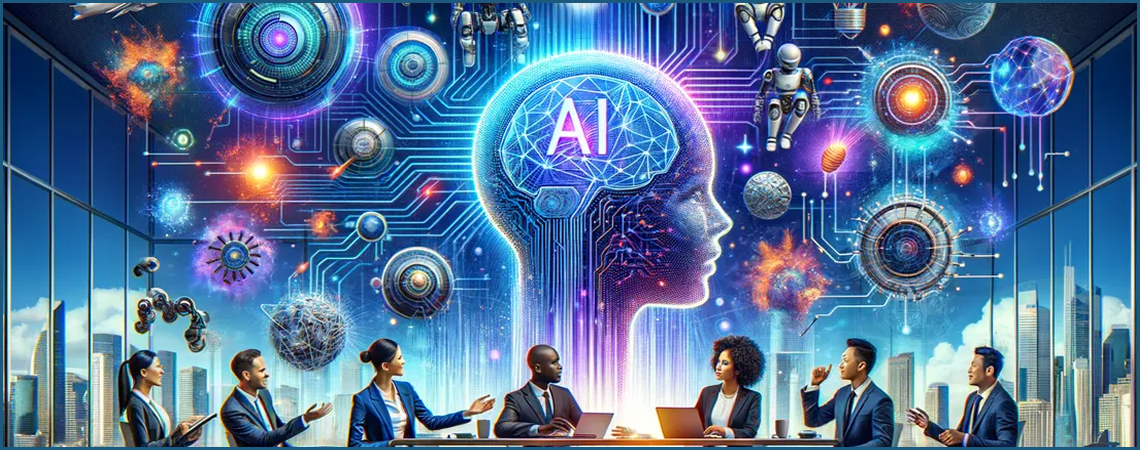
In today’s digital-first world, creativity and artificial intelligence (AI) are no longer separate domains. They’re two powerful forces working hand-in-hand to revolutionize the way we create, learn, and innovate. From automating content generation to training AI models with human-like understanding, the future lies in a balanced approach—one that blends creativity with practicality.
Why a Practical Approach Matters
While creativity fuels originality, practicality ensures usability. Many AI models can generate impressive outputs, but without real-world context or human oversight, the results can miss the mark. Similarly, brilliant ideas need structure and strategy to turn into tangible outcomes. A practical approach to content and AI training ensures:
- Content is not just engaging, but also aligned with audience needs
- AI models are trained with relevant, real-world data
- Outputs are measurable, meaningful, and actionable
Creative Content Meets Smart Training
The first step to practical AI training begins with purposeful content. Training a model with random or irrelevant data results in generic, sometimes inaccurate outcomes. Here’s how to align both content and AI training effectively:
1. Define Clear Goals
Whether it’s writing a product description or training a chatbot, start with the why. What should the content achieve? What will the AI model be used for? Setting clear goals provides direction.
2. Use Real-World Examples
Train AI with data that reflects actual user behavior or market needs. This could include FAQs, support tickets, blog comments, or product feedback. The more relevant your training data, the better the results.
3. Balance Automation with Human Insight
AI can accelerate content creation, but human input adds tone, emotion, and context. Use AI to handle repetitive tasks and free up creative minds for storytelling, branding, and strategy.
4. Test, Learn, Improve
Just like great content is iterated and refined, AI training should be a continuous loop. Track what works, gather feedback, and retrain models as needed.
Tools and Techniques That Work
- Natural Language Processing (NLP): Train AI to understand and generate human-like language.
- Prompt Engineering: Guide AI models more accurately with structured, goal-oriented prompts.
- Content Mapping: Create templates and frameworks for consistent tone, voice, and messaging.
- A/B Testing: Compare AI-generated content to manual versions to refine both strategy and performance.
Final Thoughts
Creativity and AI are not opposing forces—they’re partners. A practical approach to combining them ensures that your content doesn’t just look good but works effectively in real-world scenarios. By training AI with intent and guiding it with human creativity, businesses can unlock smarter, faster, and more impactful digital experiences.
Some of Recent Blog

How blockchain is changing cybersecurity

Design Thinking in AI Product Development
Let’s build something amazing together!
Let KONDAL SOLUTION transform your idea into a digital masterpiece.
Lets Talk